

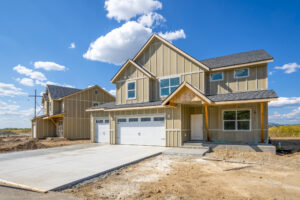
 Investing in single-family rental properties can make early ownership more predictable, while the higher entry cost may require stronger rent performance. A newly completed property may cost more than an older alternative, but it can offer benefits such as more customization options, improved energy efficiency, and reduced maintenance needs during the first years of ownership. The convenience may be offset by paid upgrades and fewer opportunities to negotiate the purchase price. To protect the economics of the deal, compare the pros and cons carefully to maximize your return on investment.
Why Consider New Construction for Your Rental Portfolio?
Purchasing new construction as a rental property may suit investors who prefer modern inventory with fewer pre-rental projects to manage. The home’s fresh condition can help establish rental value without the owner first correcting dated features. With major components and finishes already installed, out-of-pocket expenses are typically minimal before the property starts generating rental income.
Without a major repair phase, the investor can spend more time on market positioning and less on construction management. The investor can shape the marketing message around included options and smart home features. For renters who respond to modern home technology, smart thermostats and security systems can add another layer of convenience while reinforcing the home’s modern positioning.
Top Benefits of Energy-Efficient, Smart Homes for Renters
A first-occupancy opportunity may help the property compete for tenants who want a cleaner, more current living environment. Attracting quality tenants is key to rental success. Modern codes and equipment can improve day-to-day efficiency and contribute to lower utility bills and greater environmental sustainability. Efficient windows, appliances, and heating and cooling systems can improve livability throughout the lease.
Newer systems and a strong first impression can make new construction an appealing choice for rental property investors. The key caution is construction quality: a rushed build or lower-grade materials can create avoidable problems after closing.
New construction is not immune to callbacks, and unresolved workmanship concerns can become an early ownership expense. Optional design changes can raise costs sharply when the investor goes beyond the included finish levels.
Is New Construction the Right Investment for You in Today’s Market?
If your target return requires a large price reduction, new construction may leave less room to reach that number. Unlike a resale seller with personal motivations, a builder must consider project margins and comparable values when negotiating.
Builders commonly think beyond one transaction, and that makes them reluctant to record a sale at a sharply reduced price. Rather than ending the negotiation there, it can be wise to inquire about current incentives, closing cost assistance, or upgrades that may be available.
Before purchasing a new home as a rental property, weigh the pros and cons carefully. Check the fundamentals of the local rental market, projected tenant demand, and then match the home’s features to the preferences of the likely renter base. When local demand supports the property’s positioning, new construction can deliver strong long-term returns.
A new build should be evaluated in the context of the market where it will compete for tenants. For owners evaluating property in Irving, Real Property Management Quest can provide that local perspective. We perform market assessments for all potential rental properties, ensuring owners who partner with us have the tools and information they need to make the best investment decisions. For help evaluating your next rental opportunity, contact us online.
This content is provided for general informational and educational purposes only and does not constitute financial, legal, tax, or investment advice. Readers should consult with licensed professionals regarding their specific circumstances.
We are pledged to the letter and spirit of U.S. policy for the achievement of equal housing opportunity throughout the Nation. See Equal Housing Opportunity Statement for more information.
